

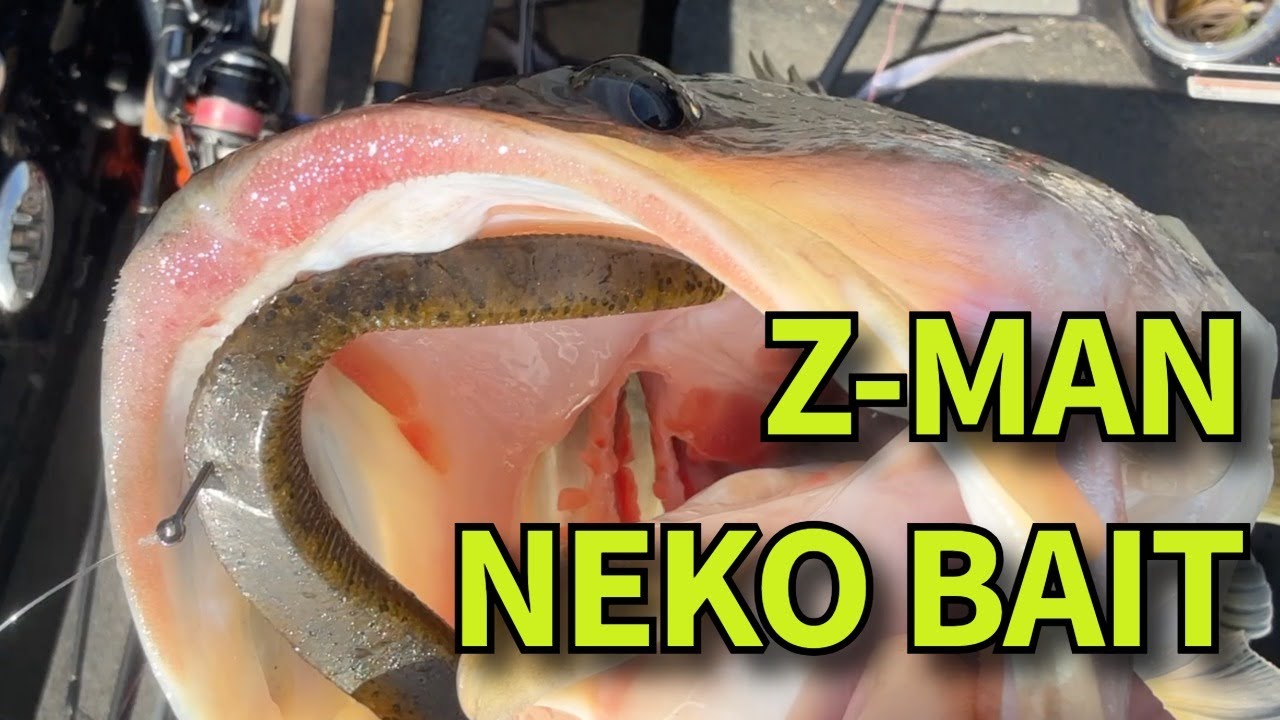
Swimbait fishing for bass is a popular and effective technique among anglers, especially for targeting larger bass. Swimbait lures imitate the appearance and swimming action of baitfish, making them a tempting meal for predatory bass. Here are some key tips and information for successful swimbait fishing for bass:
1. **Choose the Right Swimbait**:
– Swimbait lures come in various sizes, styles, and colors. Select the one that matches the local forage and the size of bass you’re targeting.
– Soft plastic swimbaits with a realistic swimming action are preferred by many anglers, but there are also hard swimbaits available.
2. **Rod and Reel Setup**:
– A medium-heavy to heavy power baitcasting or spinning rod with a fast action is typically used for swimbait fishing.
– Pair it with a reel that has a high line capacity, as swimbaits can be heavier and require longer casts.
3. **Line Selection**:
– Use braided line for better sensitivity and hook-setting power. A line with a test strength of 15-30 pounds is a good choice.
– You can use a fluorocarbon or monofilament leader if necessary, depending on water clarity and the behavior of the bass.
4. **Retrieve Techniques**:
– Retrieve speed and cadence can vary, so experiment to see what the bass are responding to on that particular day.
– Slow and steady retrieves often work well, but sometimes erratic or stop-and-go retrieves can trigger strikes.
– Occasionally pause the retrieve to let the swimbait sink a bit, then resume reeling.
5. **Target Structure and Cover**:
– Fish swimbaits around structures like submerged rocks, fallen trees, weed beds, and drop-offs where bass are likely to ambush prey.
– Cast near cover such as docks, overhanging vegetation, or lily pads, and work the swimbait along the edges.
6. **Seasonal Considerations**:
– In colder water temperatures, use a slower retrieve. Bass are less active in cold water, and the swimbait should mimic an easy meal.
– In warmer water, speed up the retrieve to imitate a fleeing baitfish.
7. **Hook and Jighead Selection**:
– Use swimbait hooks or jigheads specifically designed for the type and size of swimbait you’re using.
– Make sure the hook is properly secured in the swimbait to avoid losing fish.
8. **Be Patient and Persistent**:
– Swimbait fishing can be a slower-paced technique, but it’s known for producing big bass. Patience and persistence are key.
9. **Observe and Adapt**:
– Pay attention to the behavior of the bass and the conditions on the water. Adapt your tactics accordingly.
10. **Catch and Release**:
– Consider practicing catch and release to protect bass populations, especially if you’re targeting trophy-sized fish.
Remember that successful swimbait fishing for bass often involves trial and error. It’s essential to adapt your approach based on the specific conditions of the water, the behavior of the bass, and the type of swimbait you’re using.
⭕️ Subcribanse, dejen su like o comentario Para poder seguir subíendo mas contenido
⭕️Ve este video: https://youtube.com/shorts/t8Z8zLlwDKo?si=G89wfGVeRp_fMw6Y
Síguenos en
Facebook- https://www.facebook.com/casapescaymas?mibextid=LQQJ4d
Instagram- https://instagram.com/casapescaymas?igshid=MmIzYWVlNDQ5Yg==
Email: Casapescaymas18@gmail.com
Hola señores mi nombre es Víctor Manuel, soy de Mexico y vivo en Mexico. El objetivo de este canal es de entretenerte, enseñarte técnicas del deporte de la pesca de Large Mouth Bass y otras actividades y aventuras al aire libre. Cómo: cacería: MOSTRAR PRUEBAS, CONSEJOS, CONTROL DE PLAGAS, REVISIÓN DE RIFLES Y MIRAS TELESCÓPICAS, acampar, exploración de reliquias al igual que tips de cocina. Ya que tengo un B.A. en Gastronomía de la Universidad de Santa Cruz California. Gracias por sus likes y suscripción Dios me los bendiga.



Muy buen. Video. Muy inteelijente.para .las.. pesca..joven..victor🏊🐳🐟🚶💯😂💪💪🚣
Swimbait fishing for bass is a popular and effective technique among anglers, especially for targeting larger bass. Swimbait lures imitate the appearance and swimming action of baitfish, making them a tempting meal for predatory bass. Here are some key tips and information for successful swimbait fishing for bass:
1. **Choose the Right Swimbait**:
– Swimbait lures come in various sizes, styles, and colors. Select the one that matches the local forage and the size of bass you're targeting.
– Soft plastic swimbaits with a realistic swimming action are preferred by many anglers, but there are also hard swimbaits available.
2. **Rod and Reel Setup**:
– A medium-heavy to heavy power baitcasting or spinning rod with a fast action is typically used for swimbait fishing.
– Pair it with a reel that has a high line capacity, as swimbaits can be heavier and require longer casts.
3. **Line Selection**:
– Use braided line for better sensitivity and hook-setting power. A line with a test strength of 15-30 pounds is a good choice.
– You can use a fluorocarbon or monofilament leader if necessary, depending on water clarity and the behavior of the bass.
4. **Retrieve Techniques**:
– Retrieve speed and cadence can vary, so experiment to see what the bass are responding to on that particular day.
– Slow and steady retrieves often work well, but sometimes erratic or stop-and-go retrieves can trigger strikes.
– Occasionally pause the retrieve to let the swimbait sink a bit, then resume reeling.
5. **Target Structure and Cover**:
– Fish swimbaits around structures like submerged rocks, fallen trees, weed beds, and drop-offs where bass are likely to ambush prey.
– Cast near cover such as docks, overhanging vegetation, or lily pads, and work the swimbait along the edges.
6. **Seasonal Considerations**:
– In colder water temperatures, use a slower retrieve. Bass are less active in cold water, and the swimbait should mimic an easy meal.
– In warmer water, speed up the retrieve to imitate a fleeing baitfish.
7. **Hook and Jighead Selection**:
– Use swimbait hooks or jigheads specifically designed for the type and size of swimbait you're using.
– Make sure the hook is properly secured in the swimbait to avoid losing fish.
8. **Be Patient and Persistent**:
– Swimbait fishing can be a slower-paced technique, but it's known for producing big bass. Patience and persistence are key.
9. **Observe and Adapt**:
– Pay attention to the behavior of the bass and the conditions on the water. Adapt your tactics accordingly.
10. **Catch and Release**:
– Consider practicing catch and release to protect bass populations, especially if you're targeting trophy-sized fish.
Remember that successful swimbait fishing for bass often involves trial and error. It's essential to adapt your approach based on the specific conditions of the water, the behavior of the bass, and the type of swimbait you're using.
⭕️ Subcribanse, dejen su like o comentario Para poder seguir subíendo mas contenido
⭕️Ve este video: https://youtube.com/shorts/t8Z8zLlwDKo?si=G89wfGVeRp_fMw6Y
Síguenos en
Facebook- https://www.facebook.com/casapescaymas?mibextid=LQQJ4d
Instagram- https://instagram.com/casapescaymas?igshid=MmIzYWVlNDQ5Yg==
Email: Casapescaymas18@gmail.com
Hola señores mi nombre es Víctor Manuel, soy de Mexico y vivo en Mexico. El objetivo de este canal es de entretenerte, enseñarte técnicas del deporte de la pesca de Large Mouth Bass y otras actividades y aventuras al aire libre. Cómo: cacería: MOSTRAR PRUEBAS, CONSEJOS, CONTROL DE PLAGAS, REVISIÓN DE RIFLES Y MIRAS TELESCÓPICAS, acampar, exploración de reliquias al igual que tips de cocina. Ya que tengo un B.A. en Gastronomía de la Universidad de Santa Cruz California. Gracias por sus likes y suscripción Dios me los bendiga.